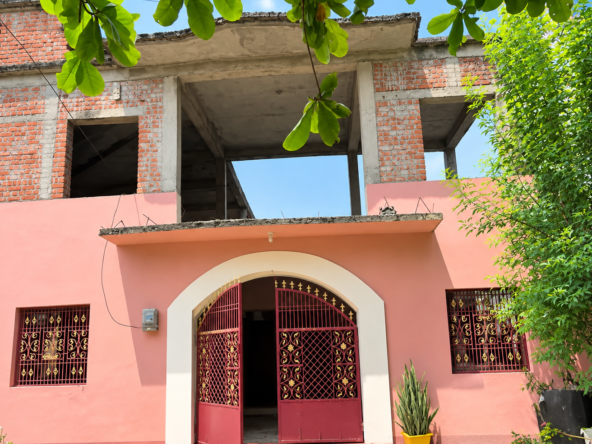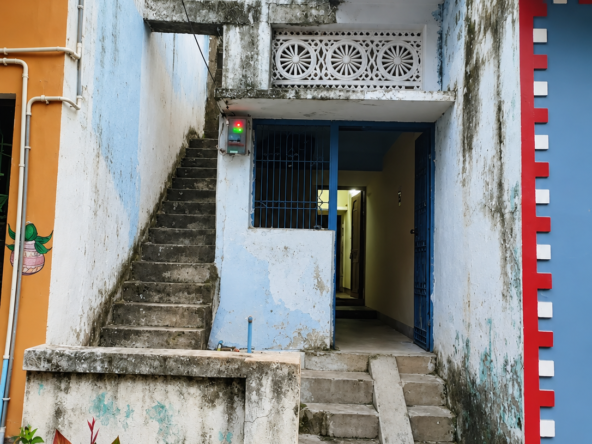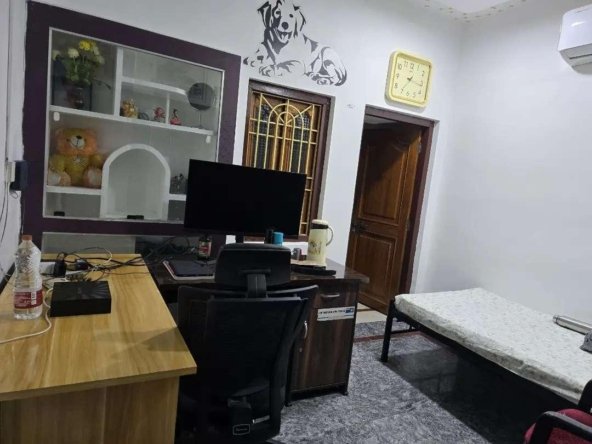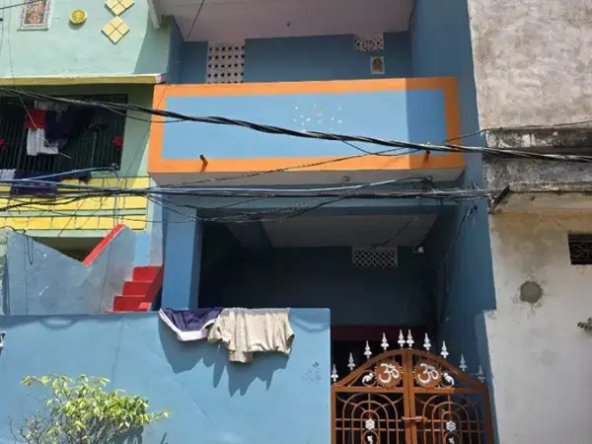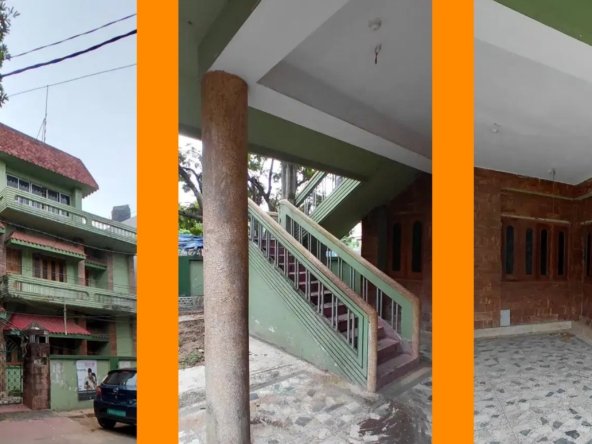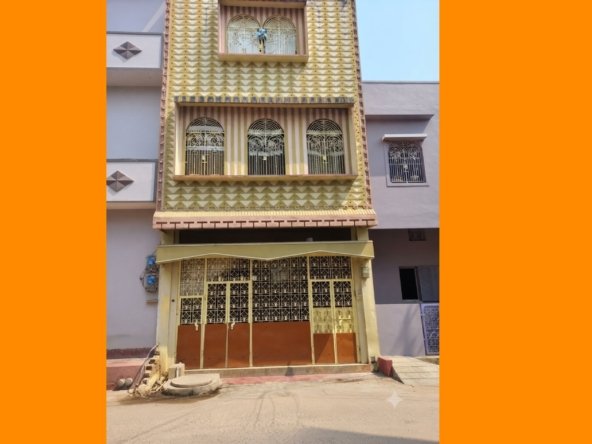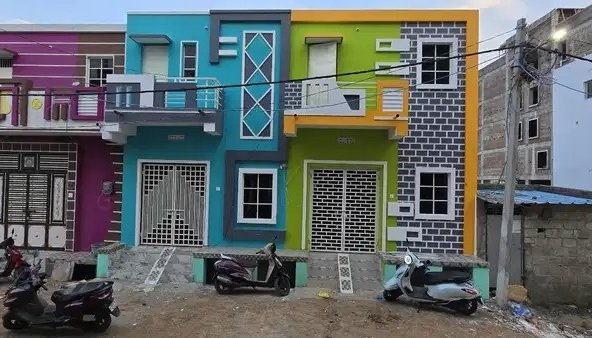
Residential land and property refer to areas, buildings, or developments designated strictly for human habitation rather than commercial, retail, or industrial operations. In urban and suburban planning, land is strictly zoned to manage growth, ensuring that neighborhoods remain primarily focused on living spaces.
Key Types of Residential Properties
-
Independent Houses & Villas: Standalone single-family homes that offer full structural ownership, privacy, and personal customization of both the building and the surrounding land.
-
Plots & Land Parcels: Vacant tracts of land located within approved residential layouts, providing a blank canvas for buyers to construct custom homes according to their personal design preferences.
-
Apartments & Condominiums: Multi-story residential complexes divided into individual living units. These properties emphasize community living, shared infrastructure, and managed amenities.
Characteristics of Residential Real Estate
Residential zones typically benefit from dedicated municipal services, including localized road networks, street lighting, water supply lines, and waste management. Furthermore, residential areas are usually situated close to essential daily infrastructure such as schools, hospitals, local markets, and public parks. Real estate in these sectors is heavily influenced by community safety, neighborhood walkability, and regulatory approvals (such as local planning authority clearances) to ensure long-term livability and stable property value appreciation.